When we started planning our November trip to Milan, we knew we’d see the Duomo, eat plenty of Italian food, and hopefully find time to explore beyond the usual tourist attractions.
What we didn’t know was how much we’d enjoy Milan itself.
Our visit was a combination of work and vacation. My wife had professional commitments for part of the trip, which also gave me a couple of opportunities to explore the city on my own.
We spent several days based in Milan, with a mix of sightseeing together and solo exploring while my wife was working. Rather than follow a rigid itinerary, we built our days around a few reservations and left the rest open.
We also had time together to celebrate her birthday, discover some excellent restaurants, and experience a side of Italy that felt very different from the smaller towns we’d visit later.
We weren’t trying to see everything Milan had to offer. We wanted to enjoy the city, spend money on experiences that mattered, and avoid filling every hour with activities just because they appeared on someone’s must-do list.
Some of our favorite moments cost hundreds of euros. Others didn’t cost anything at all.
If you’re deciding what to do in Milan for four days, here’s what we loved, what we’d recommend, what we’d skip next time, and what it actually cost.
Getting to Know Milan: Our Private Walking Tour
One of the first things we did after arriving in Milan was take a private walking tour of the historic center.
We booked a two-hour experience through Airbnb, meeting our guide near Piazza del Duomo. It turned out to be an excellent introduction to the city.
Our guide, Riccardo, shared stories about Milan’s history, architecture, and neighborhoods while helping us get oriented. Having someone local explain what we were seeing gave us context that we wouldn’t have picked up simply walking around on our own.
The experience was especially valuable because we scheduled it for our first afternoon. It helped us feel more comfortable navigating the city for the remainder of our visit. It was also a very good way to beat some jet lag. We scheduled it late enough in the afternoon to clear customs, reach our hotel, freshen up, and still make it to the meeting point without rushing. Walking and fresh air were great remedies to help us adapt to the new time zone and learn about the city before we embarked on our own.
The listed cost was $134.81 for two people, but an early booking discount and $100 Airbnb one-time credit reduced our actual payment to just $7.86. We also tipped our guide €20.
At that discounted price, the value was extraordinary. But this is one experience we would have considered worthwhile even at the regular price.
Our verdict: An excellent way to start a Milan visit, particularly if it’s your first time in the city.
Sforza Castle: History, Art, and a Surprisingly Affordable Experience
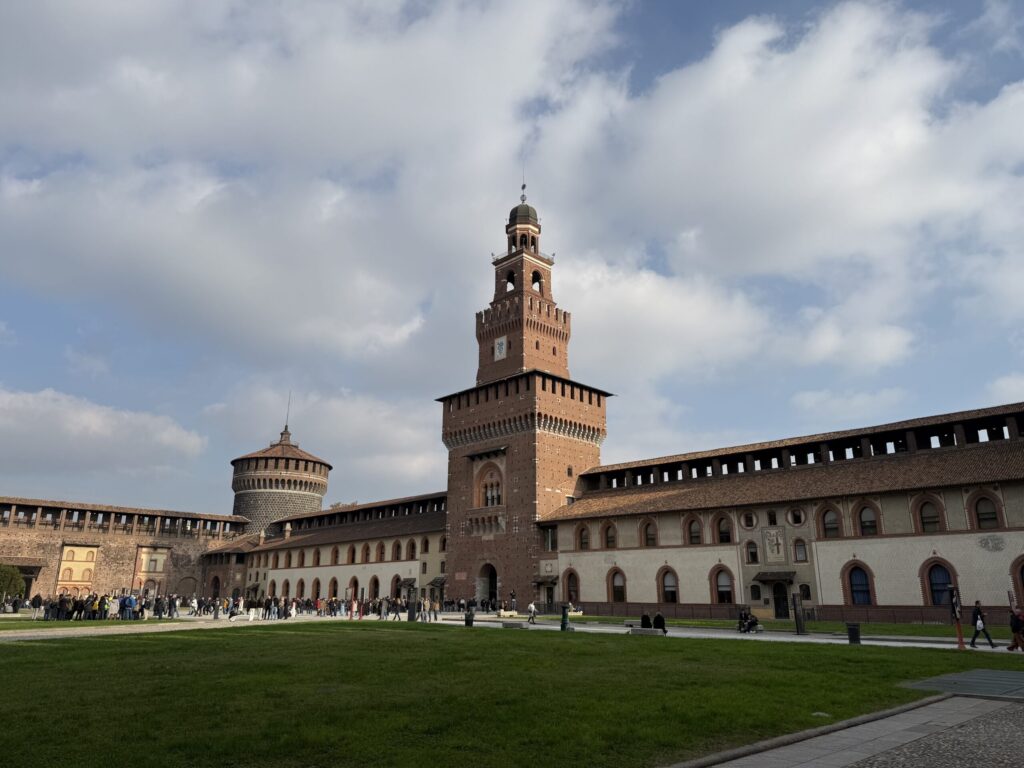
One of the unexpected highlights of Milan was Sforza Castle (Castello Sforzesco). We first visited during our walking tour, when our guide took us through the castle’s main courtyard and explained its history and importance to the city.
The castle is beautiful, but learning about its different construction periods, the building techniques used, and its role in Milan’s history made it even more interesting. We enjoyed trying to imagine what life would have been like when the castle was still functioning as a fortress and residence.
We enjoyed it enough that we decided to return the following day for a more in-depth visit.
This time, we wanted to see Michelangelo’s Rondanini Pietà, housed in a museum at the castle. We also purchased tickets for the Panoramic Battlements, which gave us an opportunity to explore another part of the historic structure.
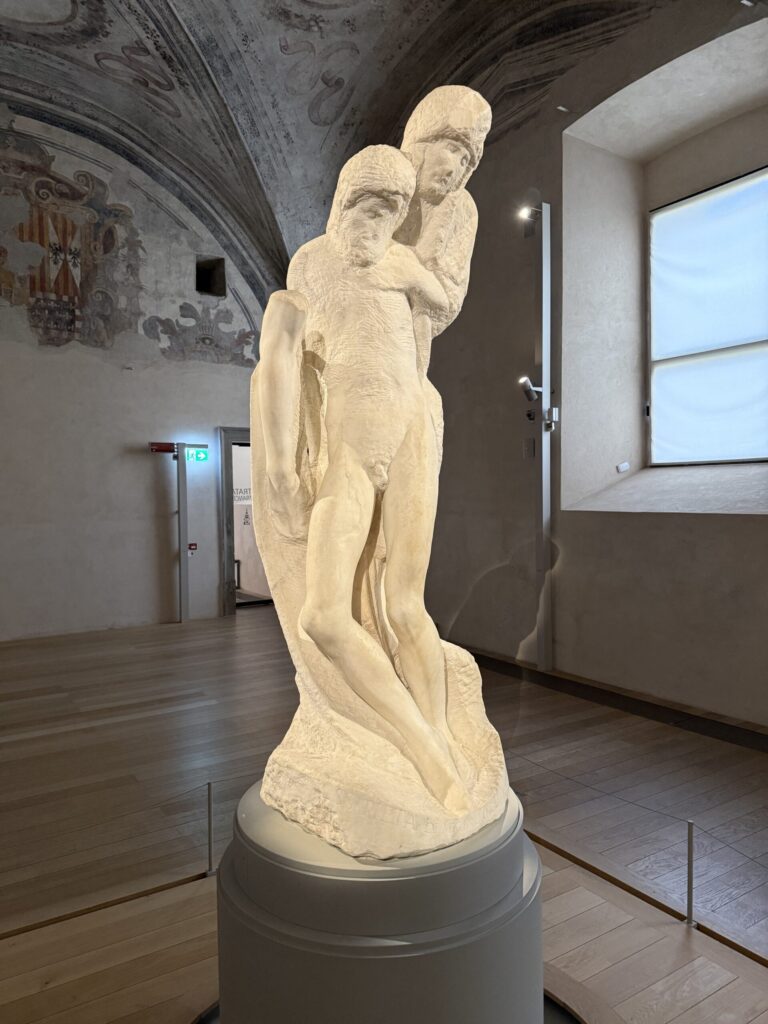
One of the best things about Sforza Castle is how accessible it is. You can walk through the courtyards and explore the exterior grounds for free. Museum admission was approximately €10 per person, and the battlements were another €10 per person. We purchased our tickets on the day of our visit, stopping at the museum and the information desk rather than booking everything in advance.
During our original walking tour, we also explored nearby Parco Sempione, walking through the park to the impressive Arco della Pace (Arch of Peace). Our guide shared the park’s history and explained how Milan residents use the space today.
Between the castle, its museums, the battlements, and the surrounding park, this was an area where we could have easily spent several hours.
Our verdict: Absolutely worth visiting. Even if you don’t purchase tickets, the castle and park offer a wonderful opportunity to experience Milan’s history. We especially appreciated being able to choose which paid experiences to add rather than purchasing an expensive all-inclusive attraction ticket.
The Duomo Rooftop Was Worth Every Euro
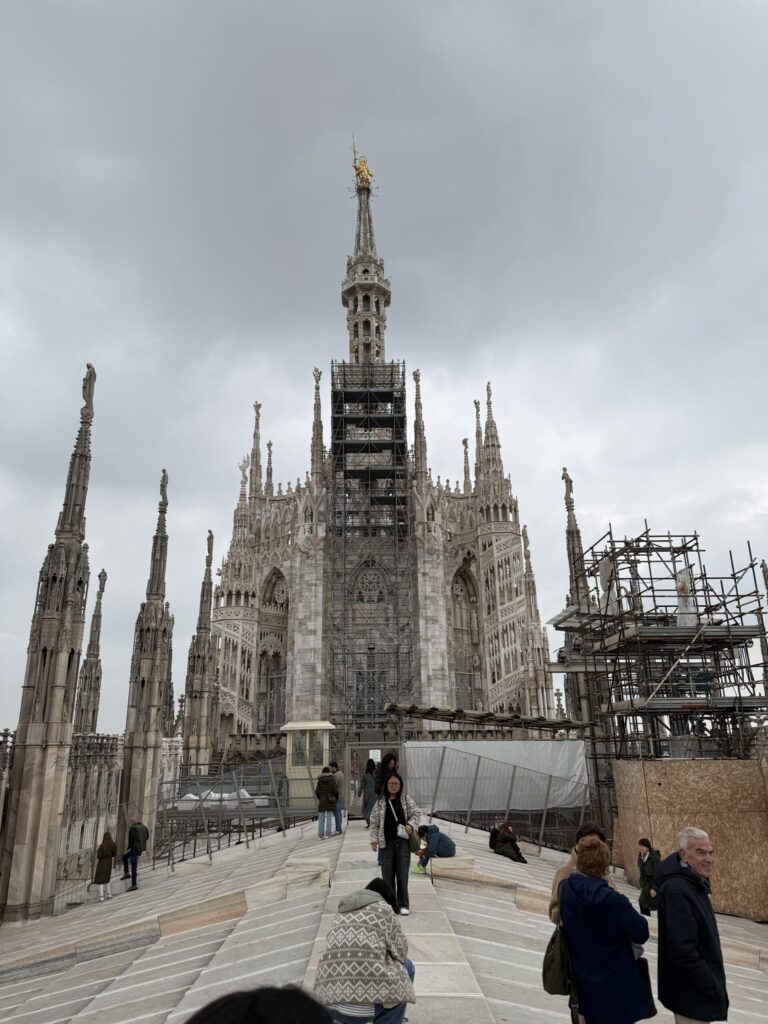
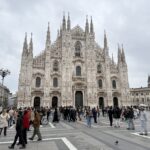
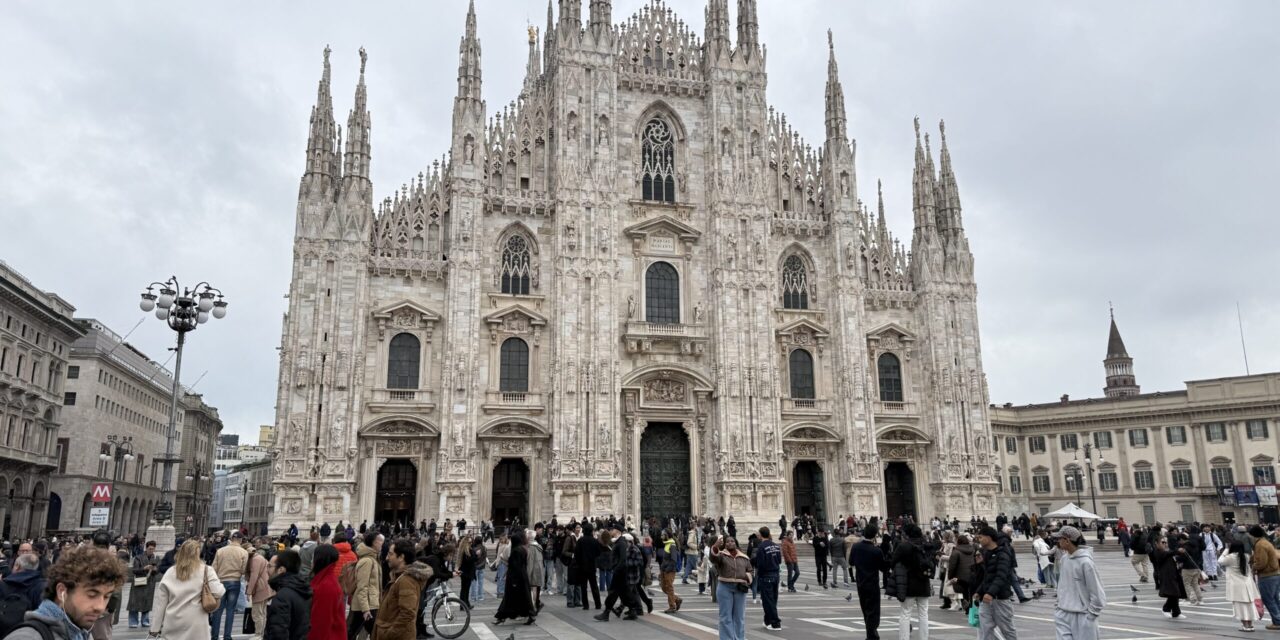
The Duomo di Milano is the city’s most recognizable landmark, and we knew it was a top priority for us to experience.
We booked the cathedral and rooftop terraces combination ticket with elevator access for Sunday morning.
At €32 per person, it wasn’t the cheapest way to visit the Duomo, but the elevator made the experience noticeably easier. It also seemed incredibly reasonable for a world-class landmark visit.
We had relatively short lines, enjoyed exploring the cathedral, and spent time on the rooftop surrounded by the extraordinary stonework and views of Milan.
Being able to walk among the cathedral’s spires was far more memorable than simply admiring the building from the square below.
This was one of those purchases where paying a little extra for convenience made the entire experience better.
Our verdict: Absolutely worth doing. We’d choose the rooftop elevator option again. As a note, the elevator only takes you up. All visitors must take the stairs down.
Shopping, Coffee, and Wandering Through Milan
Not everything we enjoyed in Milan involved a reservation or admission ticket. Much of our time was spent simply wandering through the city’s shopping districts, exploring stores, and stopping whenever something caught our attention.
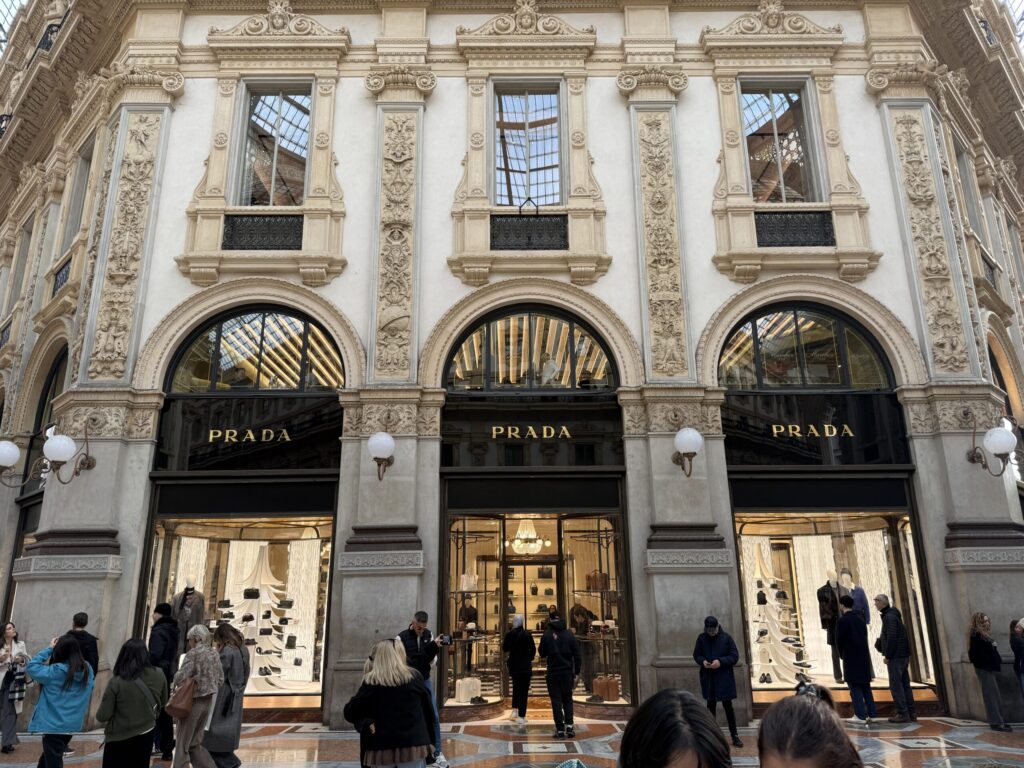
We walked through Galleria Vittorio Emanuele II several times during our visit. Even if you’re not interested in luxury shopping, the architecture alone makes it worth seeing. The soaring glass ceiling, beautiful floors, and impressive storefronts make it feel like an attraction in its own right. And unlike many of Milan’s famous landmarks, it’s completely free to explore.
We also spent time browsing shops throughout the city, which is an experience in itself in a place known for fashion and design.
Another interesting stop was the Starbucks Reserve Roastery, easily the largest Starbucks I’ve ever visited. It’s much more elaborate than a typical coffee shop, with specialty coffees, food, and tours available for visitors who want a deeper experience. I didn’t do any of those extras, but I enjoyed exploring the space and picked up a coffee mug as a souvenir.
One thing worth knowing: the line to enter can get quite long. Rather than wait, I passed by on another occasion when there was no line and made the impromptu decision to go inside. Unless you’re a serious coffee enthusiast, I’d recommend doing the same rather than spending valuable sightseeing time waiting.
Our verdict: Make time to wander through Milan’s shopping districts and definitely visit the Galleria. The Starbucks Reserve Roastery is worth a stop, especially if you enjoy coffee, but we’d be flexible about when to visit.
A Birthday Brunch at Marchesi 1824
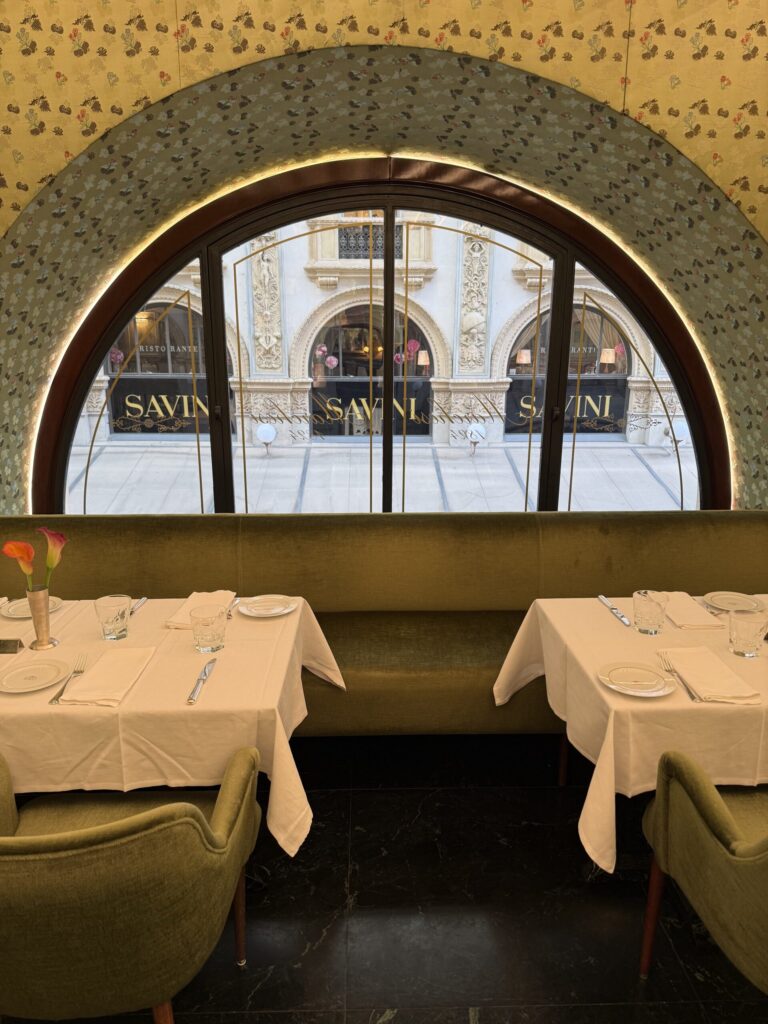
Sunday was my wife’s birthday, and we decided to have brunch at Marchesi 1824 inside the Galleria Vittorio Emanuele II. This historic pastry shop and café sits directly above Prada and is owned by the company.
We actually learned about it the day before on our walking tour and my fashionable wife seemed determined to visit.
It’s a beautiful setting, and the experience feels distinctly Milanese. The elegant, pastel-colored interior felt like stepping into another era, which only added to the occasion.
We waited about 15 minutes in line and once we got to the front they only offered standing room options for coffee and pastries. My wife inquired about actually eating and they said it would only be the brunch option and would be another 10 minutes, which was no problem for her. It wasn’t especially fast, but we weren’t in a hurry.
Our brunch cost €114 for two people.
That’s a lot for breakfast, and I wouldn’t pretend otherwise. But for a birthday celebration in a memorable setting, we thought it was worth doing. It included two mimosas, an incredibly fancy avocado and salmon toast and a very delicious vanilla French toast with berries.
Would we make this an everyday breakfast stop? Absolutely not.
Would we consider returning for another special occasion? Yes.
Our verdict: A worthwhile splurge for a celebration, but not a necessary stop on every Milan itinerary.
Our Favorite Dinner: La Libera
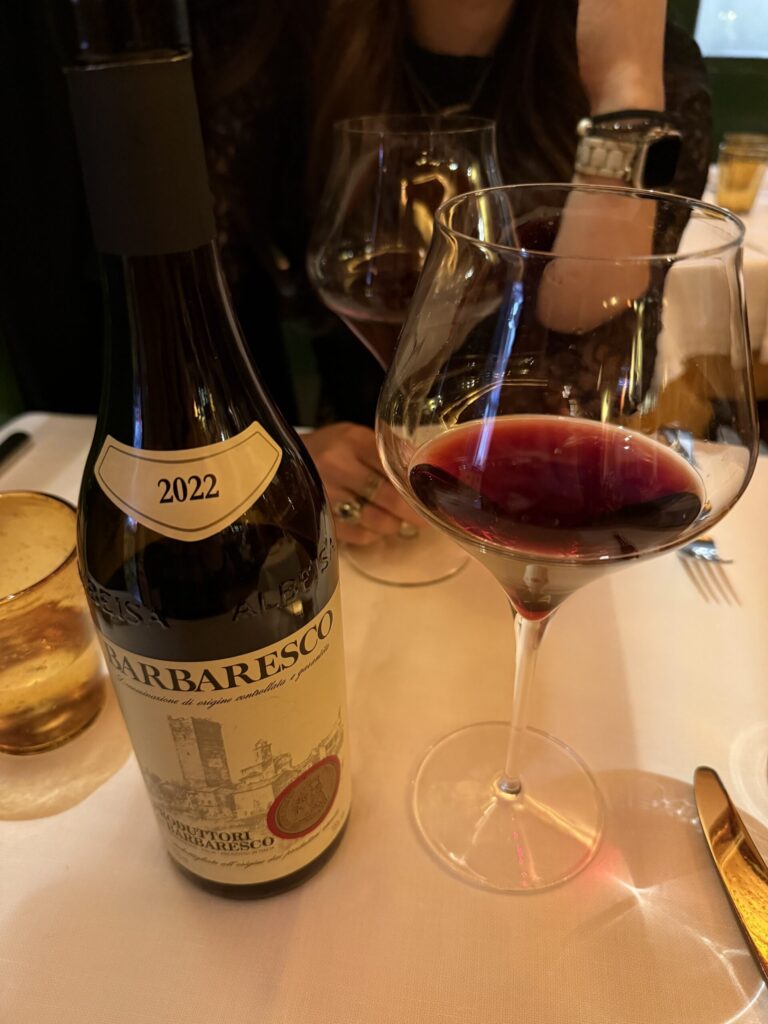
For my wife’s birthday dinner, we booked a table at La Libera, a restaurant that felt much more like a neighborhood establishment than a tourist destination.
We chose La Libera after researching restaurants extensively online. We didn’t know anyone who’d eaten there, but the reviews convinced us to give it a try.
We arrived a little late after an unexpectedly frustrating Uber experience, but the evening quickly improved.
The restaurant had a warm, lively atmosphere, and the staff became particularly welcoming after learning we were celebrating a birthday.
We started with burrata, followed by cacio e pepe for me and a seafood pasta special for my wife. We also enjoyed a bottle of Nebbiolo and prosecco then finished with a chocolate molten cake.
The restaurant surprised us with a giant birthday sparkler.
We ended up spending nearly three hours at dinner.
The total was €246 for two people.
It was one of our more expensive meals in Italy, but it was also one of the most memorable.
This is exactly the kind of experience we’re willing to spend more on: great food, a welcoming atmosphere, and an evening that feels like an occasion rather than simply another restaurant reservation.
This restaurant was as “local” as you could find. We were pretty confident that we were the only ones speaking English. Nearly everyone else appeared to be locals out enjoying a dinner in their neighborhood, which is exactly what we were looking for.
Our verdict: One of the highlights of our entire Italy trip. We’d happily return and encourage anyone to go.
Exploring Milan Beyond the Duomo
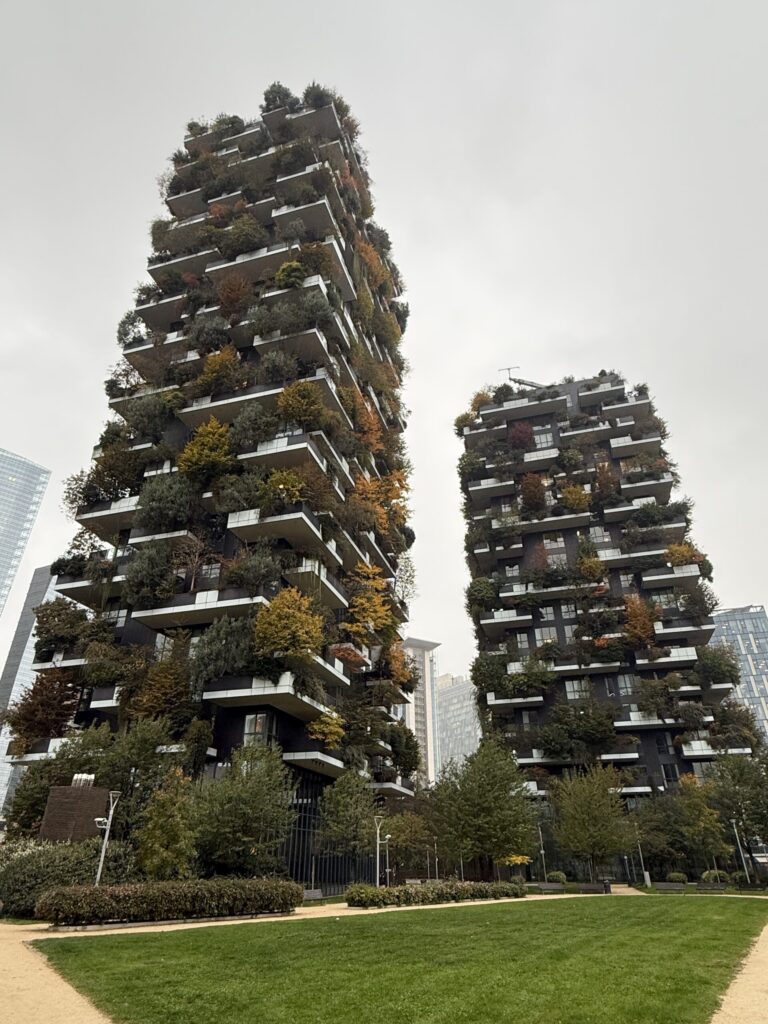
One of the things I appreciated most about Milan was how much there was to discover beyond the historic center.
While my wife was working, I spent time exploring several neighborhoods on my own.
I started around Porta Garibaldi and Corso Como before continuing toward the modern architecture around Piazza Gae Aulenti, the Bosco Verticale residential towers, and the Isola neighborhood.
This part of Milan felt very different from the streets around the Duomo.
There were modern buildings, shopping areas, interesting public spaces, and neighborhoods where people were simply going about their everyday lives. The weather was misty, but I actually enjoyed walking around in those conditions.
And the best part? Exploring these neighborhoods cost nothing.
It was a reminder that some of the most rewarding travel experiences don’t require tickets or reservations.
Our verdict: Make time to explore Milan beyond its famous attractions.
Navigli Wasn’t Quite What We Expected
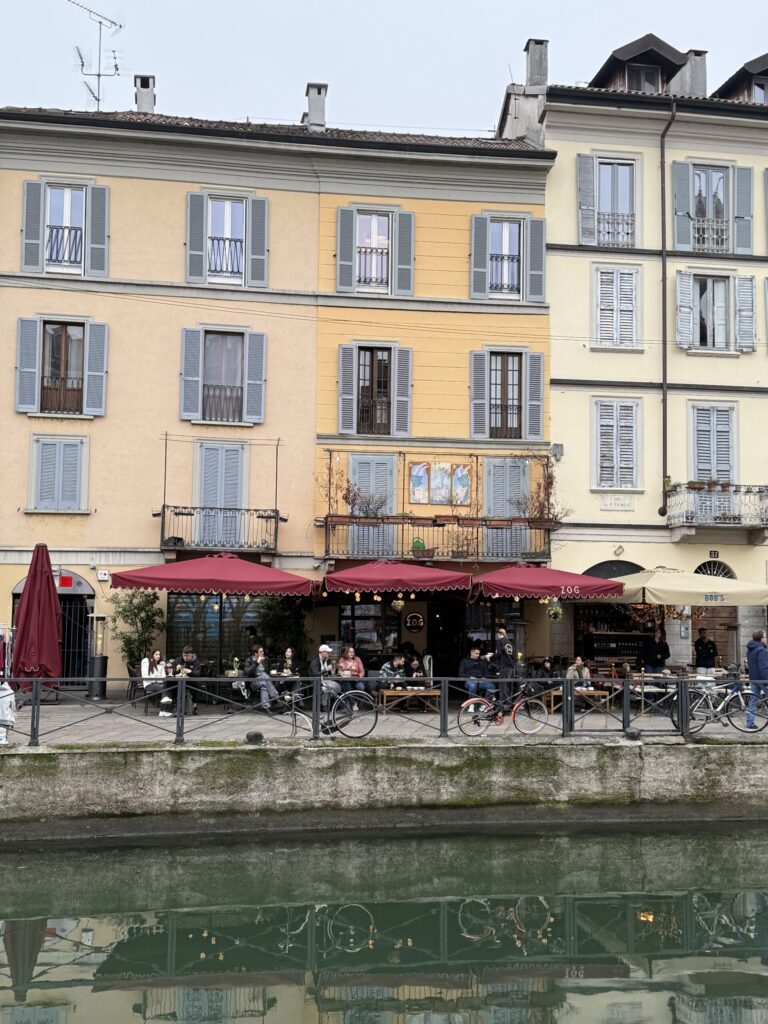
We also made time to visit Navigli, Milan’s canal district.
It’s one of the neighborhoods frequently recommended to visitors, particularly for its restaurants, bars, and evening atmosphere.
We visited during the daytime, and it was quieter than we’d expected. Getting there from our hotel involved a tram journey and transfer that took approximately 45 minutes.
We stopped for drinks at ZOG, where a prosecco and limoncello Spritz cost €14. The canalside café was enjoyable to relax at for a bit and also seemed to be a favorite of locals. There was what appeared to be a bridal lunch taking place inside while we were there.
The canals were interesting to see, and we enjoyed sitting down for a drink, but the experience didn’t stand out compared with other parts of Milan.
That may have had as much to do with timing as the neighborhood itself. Navigli is known for its evening atmosphere, and we weren’t there during its busiest hours.
Our verdict: Worth considering if you’re nearby or planning an evening out, but I wouldn’t prioritize another daytime visit.
A Solo Dinner at Osteria da Fortunata
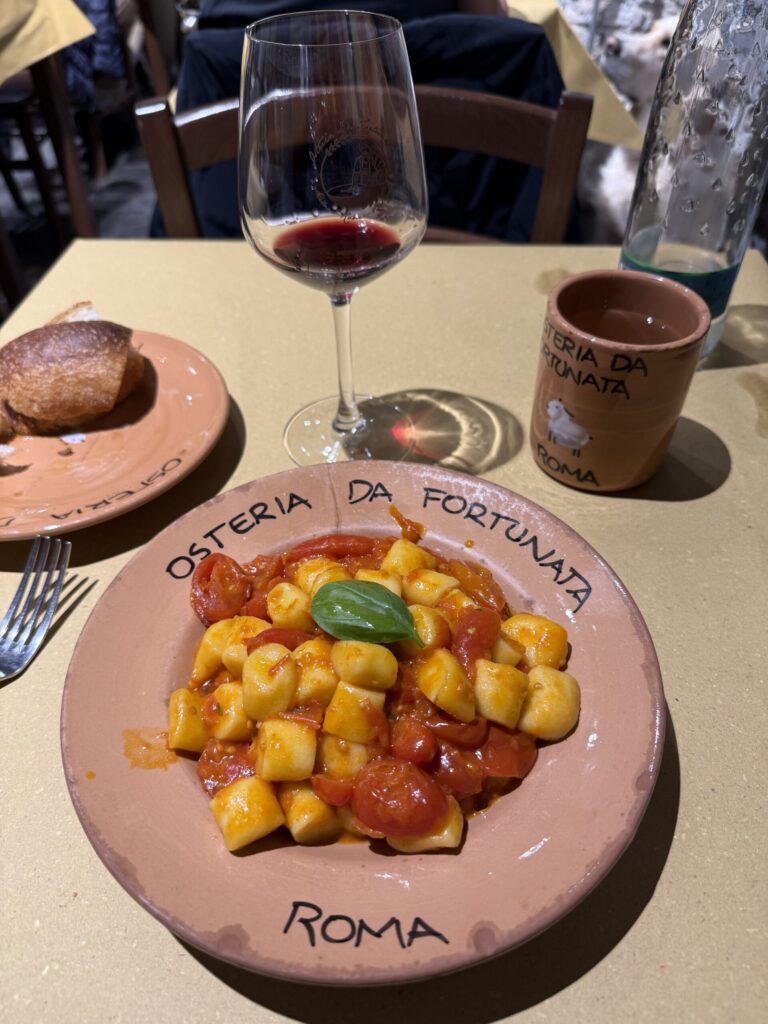
One evening while my wife was working, I stopped at Osteria da Fortunata near Via della Moscova.
The restaurant has a distinctive feature: you can watch pasta being made through the window from the street.
Inside, the dining room was spacious and comfortable, and I noticed several other people dining alone.
I ordered a caprese salad, gnocchi in tomato sauce recommended by the waiter, house wine, and water. My total was €48.
The food was satisfying, the atmosphere was welcoming, and the experience felt comfortable for someone eating alone.
Our verdict: A good option for fresh pasta, especially if you’re exploring the Porta Garibaldi area.
San Siro Stadium: Worth It for Soccer Fans
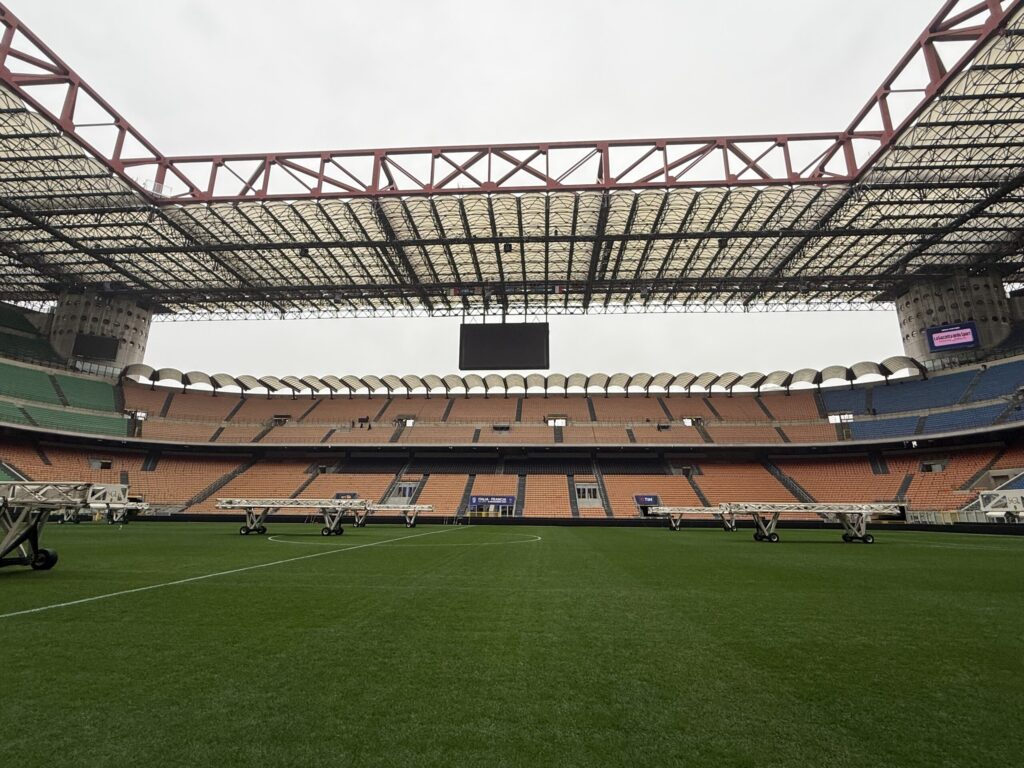
Another solo outing took me to San Siro Stadium, home to AC Milan and Inter Milan.
I booked a guided stadium tour for €37 online the morning of.
The experience lasted approximately 90 minutes and included access to the locker rooms, the pitch area, and other parts of the stadium, along with time in the team store.
It didn’t include the skywalk, but I didn’t feel that diminished the experience.
As someone who enjoys soccer, I appreciated the chance to see a stadium with so much history. Would I recommend it to someone who doesn’t follow the sport? Probably not as a priority.
But for soccer fans, it was a worthwhile experience. When I visited, they were preparing for the Italian national team to play France just two days later as part of the Nations League. I also picked up an AC Milan jersey for my soccer-obsessed son. The perfect souvenir.
Our verdict: Recommended for soccer enthusiasts.
A Casual Dinner That Delivered Excellent Value
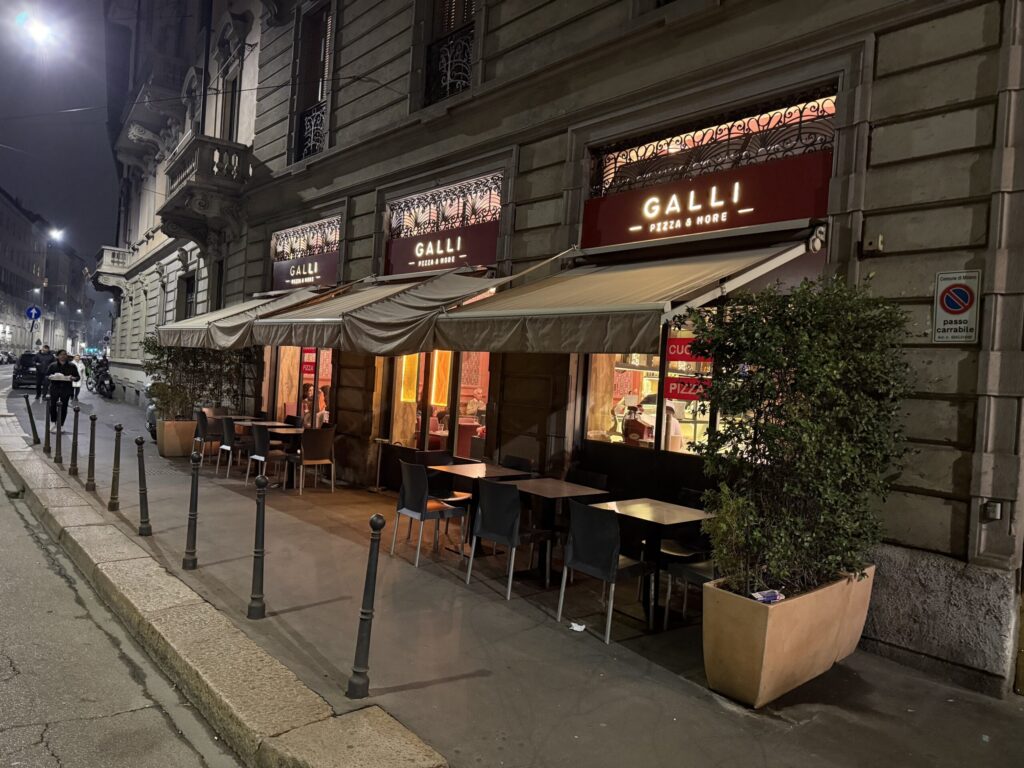
Not every memorable meal needs to be expensive.
At Galli Pizza and More, we enjoyed a casual dinner with margherita pizza, spinach and ricotta ravioli, caprese, drinks, dessert, and limoncello.
We stumbled upon the restaurant following our failed attempt to visit the Last Supper. We tried to get tickets in advance but they were sold out well in advance. We tried stopping by but that didn’t work either.
Our total was €80 for two people. Compared with some of our other meals, this felt like excellent value.
The atmosphere was relaxed, the food was good, and we left satisfied.
It wasn’t a destination restaurant we’d cross the city to visit, but it’s exactly the kind of neighborhood meal we appreciate finding while traveling.
Our verdict: A good-value option if you’re nearby.
What We Spent in Milan
Here are some of the actual costs from our experiences in Milan.
| Experience | What We Paid |
|---|---|
| Private walking tour for two | $7.86 after discounts, plus €20 tip |
| Sforza Castle | €40 (€20 for museums, €20 battlements tour) |
| Duomo cathedral and rooftop for two | €64 |
| Birthday brunch at Marchesi 1824 | €114 |
| Birthday dinner at La Libera | €246 |
| Navigli drinks at ZOG | €14 |
| Solo dinner at Osteria da Fortunata | €48 |
| San Siro stadium tour | €37 |
| Dinner at Galli Pizza and More | €80 |
Our documented spending on these experiences totaled approximately €663 plus $7.86, including the walking-tour tip and our Sforza Castle tickets. This excludes airfare, lodging, local transportation, and other incidental purchases.
Our Milan hotel was covered as part of my wife’s work trip, so our lodging costs aren’t representative of what another traveler would necessarily pay.
The important thing isn’t simply how much we spent. It’s which experiences we’d choose again.
A Few Practical Things That Surprised Us
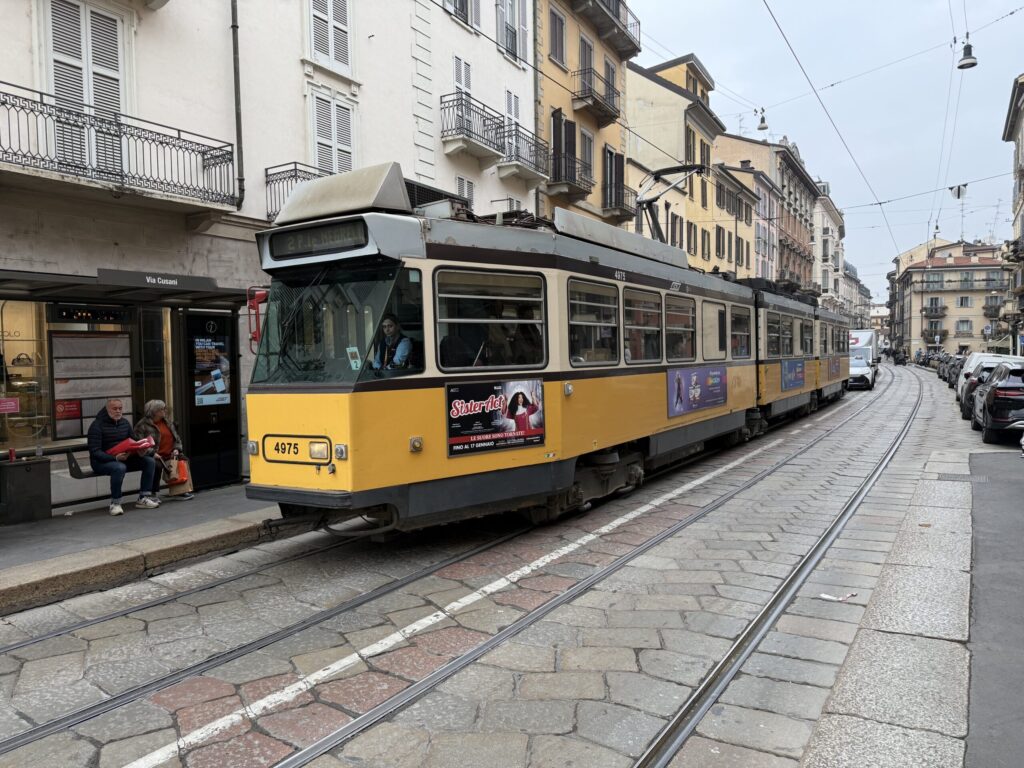
One of the pleasant surprises about Milan was how easy it was to navigate everyday transactions and conversations.
We never needed to use physical euros during our visit. Apple Pay was accepted everywhere we went, from restaurants and cafés to shops and transportation. We had access to cash if needed, but never found ourselves in a situation where we needed it.
Language was equally easy to navigate. English was widely spoken everywhere we visited, including restaurants, attractions, shops, and hotels. Many menus and signs also had English translations. We certainly appreciated the opportunity to use a few Italian phrases, but not speaking Italian was never a barrier.
The only time we needed translation was purchasing Metro tickets at the station machine. I used the camera function on Google Translate and had no problem purchasing the right tickets.
These might seem like small details, but they made exploring Milan considerably easier, particularly when we were navigating the city independently.
Our verdict: Milan was remarkably easy to navigate without cash or fluency in Italian, although we’d still recommend having a backup payment method and learning a few basic Italian phrases.
What We’d Do Again—and What We’d Change
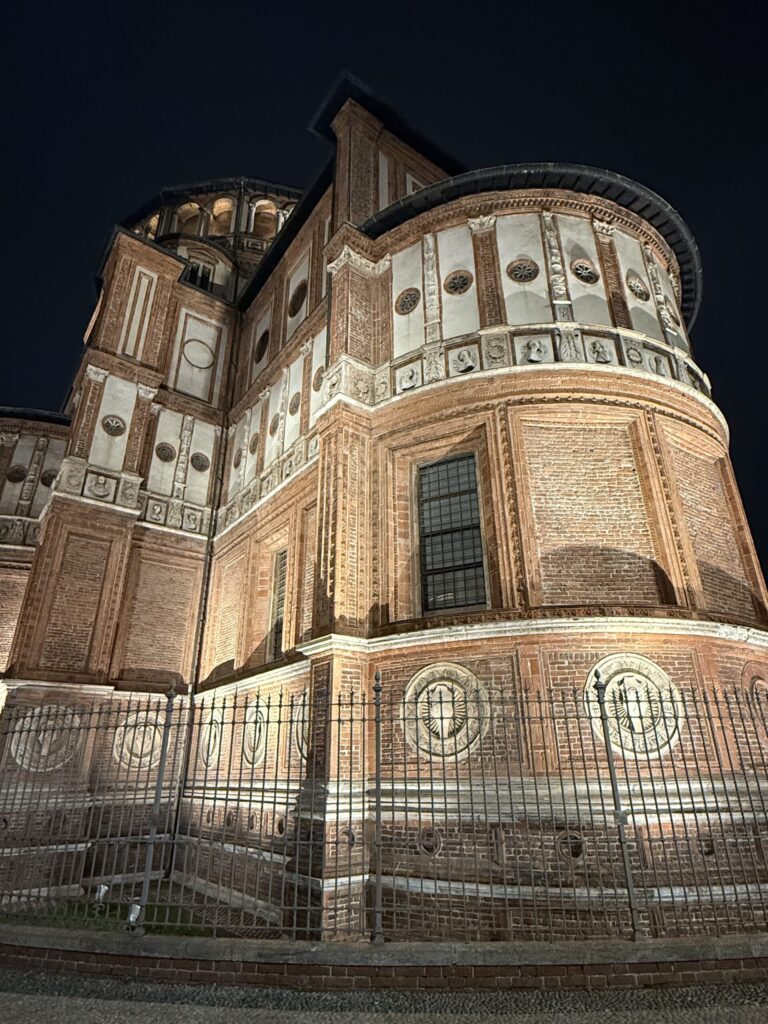
Looking back, there are several things that made Milan particularly enjoyable.
We’d absolutely take another walking tour early in the visit. It helped us get oriented and made the rest of the trip more meaningful. We may incorporate that into future overseas visits as well.
We’d book the Duomo rooftop experience again without hesitation, especially with the elevator access.
We’d continue prioritizing memorable restaurants for special occasions, while balancing those splurges with casual meals and spontaneous discoveries.
And we’d leave plenty of time to explore neighborhoods without a fixed itinerary.
What would we change?
We wouldn’t make a special daytime trip to Navigli again unless we had another reason to be nearby.
We’d also be more cautious about relying on Uber for time-sensitive reservations. Uber works much differently in Italy and we had several instances where drivers accepted the reservation but then would not arrive. We found Milan’s public transportation to be very useful, even if it occasionally required some patience.
Overall, though, there isn’t much we’d do differently.
Should You Add Lake Como to Your Milan Trip?
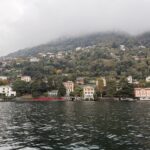
One of the advantages of visiting Milan is how easily you can combine a city vacation with time on Lake Como. We decided to do both, spending several days exploring Milan before taking the train north for two nights along the lake.
The contrast between the two destinations was part of what made our trip so enjoyable. Milan offered historic landmarks, excellent restaurants, shopping, and the energy of a major European city. Lake Como was a different experience entirely. We traded busy streets for waterfront walks, beautiful lake views, smaller communities, and a slower pace.
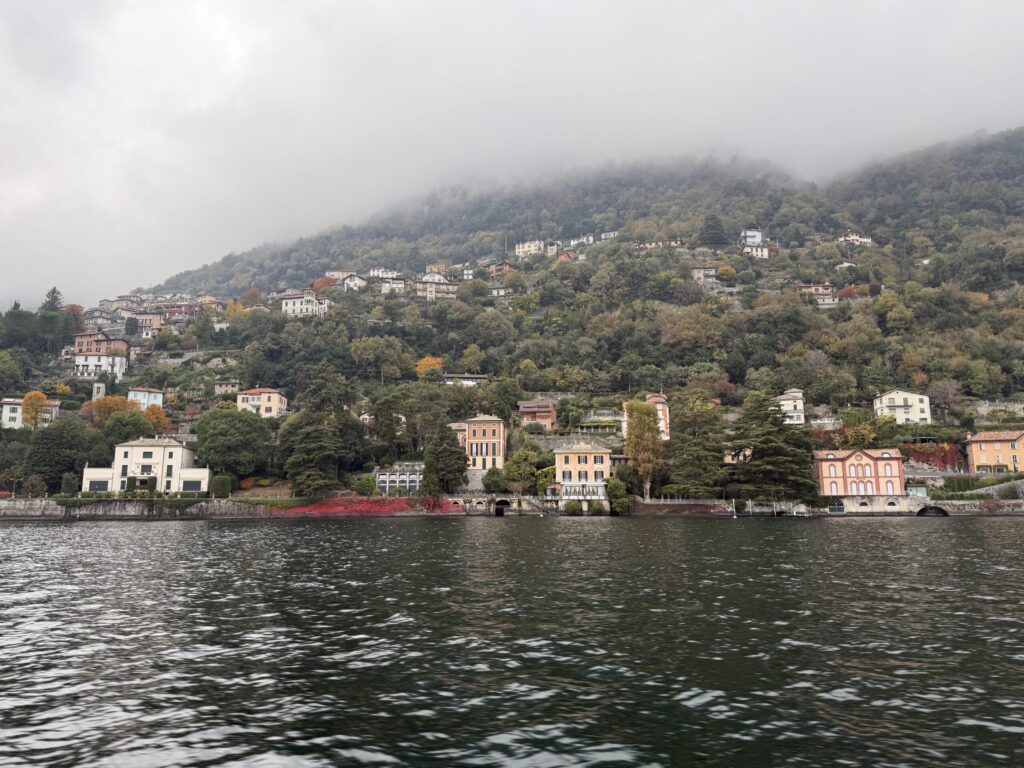
Getting there was surprisingly easy. We took the train from Milan to Como Lago station, with tickets costing approximately €5 per person. Our hotel was only a couple of minutes from the station, making the transition between destinations especially convenient. We didn’t need a rental car or an expensive private transfer.
You can certainly visit Lake Como as a day trip from Milan, but we’re glad we stayed overnight. Having two nights gave us time to explore Como, enjoy a boat ride on the lake, and experience the area without feeling like we needed to rush back to Milan. Even with some rainy November weather, we thought the visit was absolutely worthwhile.
If you’re deciding how to divide your time between the two destinations, our Two Nights in Lake Como in November: What We Did That Made It Worth Visiting shares what we did, what we spent, and what we’d recommend.
We stayed at the Palace Hotel Como, directly across from the waterfront and just steps from the train station. Its location and excellent breakfast were two of the highlights of our stay. Our full hotel review covers the room, amenities, and whether we’d choose it again.
Our recommendation: If your schedule allows, consider spending at least one night on Lake Como rather than treating it as a quick sightseeing excursion. For us, combining Milan and Como made the overall trip more memorable than either destination would have been on its own.
Our Final Thoughts On Milan
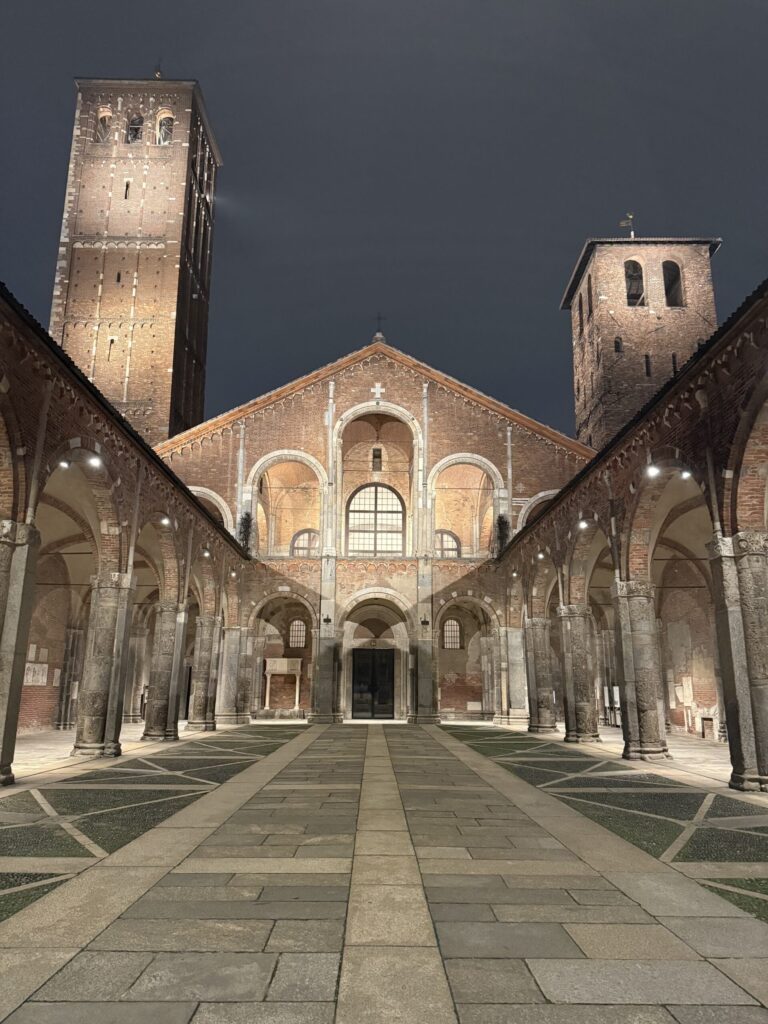
Milan doesn’t necessarily have the same romantic reputation as Rome, Florence, or Venice, but we found plenty to enjoy.
The city offered a combination of historic architecture, modern neighborhoods, excellent food, and everyday Italian life that made it an appealing place to spend several days.
Some of our favorite moments were expensive, like my wife’s birthday dinner. Others, like walking through Porta Nuova and Isola, cost nothing.
That balance is part of what made the trip work.
We didn’t need to see everything or spend money constantly to feel we’d experienced Milan.
And if we found ourselves back in northern Italy, we’d happily make time for another visit.
Disclosure: We paid for our personal meals, transportation, and activities, using personal funds and applicable booking discounts. Some lodging and work-related expenses were covered by my wife’s employer. This article reflects our November 2026 experience. Prices and availability may change.